

Pterygium Surgery Specialist in Dubai
Whether it’s chronic eye redness and growth, visible growth, or irritation from sun exposure, Dr Ola Alsaed offers expert care and tailor-made solutions for eyelid growth removal in Dubai.
As an experienced eye surgeon near me, she performs minimally invasive, cosmetic-friendly pterygium surgery with grafting techniques that limit recurrence and encourage faster healing. She treats her patients kindly and utilises the latest state-of-the-art equipment, providing world-class care within the local community.
Pterygium Surgery with Dr. Ola Alsaed
The condition known as pterygium (Surfer’s eye) may develop from an irritation, superficial to a growth on the white portion of the eye, or simply from some form of eye discomfort and redness. Usually, this condition is benign; nevertheless, the pterygium can cause long-standing irritation, visual disturbances, and cosmetic concerns. It can advance onto the cornea and interfere with vision if left untreated.
The upside is that a modern surgical procedure can guarantee reversible relief. Combining modern surgical techniques with an emphasis on durable results, Dr. Ola Alsaed is a sought-after Dubai ophthalmologist who treats pterygium and restores the eye’s functionality and aesthetics.
Book Your Consultation with Dr. Ola Alsaed Today
Don’t allow this persistent eye growth to interfere with your days or comfort and confidence. If you see any redness, irritation, or a visible change in the appearance of the eye, it is time to seek expert help.
Dr. Ola Alsaed is a well-seasoned ophthalmologist and surgery specialist for pterygium in Dubai, providing comprehensive care using the most advanced surgical techniques for the best results.
Make an appointment for a consultation now to make your first move toward good health and clarity for your eyes.
Why Choose Dr. Ola Alsaed for Pterygium Surgery?
Dr. Ola Alsaed is an ophthalmologist in Dubai, specializing in anterior segment surgeries for eye diseases, which may include the removal of pterygium.
Why is she the best doctor for Surfer’s eye treatment, according to patients?
Extensive Experience
Dr. Ola has had a broad spectrum of experiences in pterygium surgical management of complicated and recurrent cases.
Up-to-date Surgical Approaches
The latest grafting surgery, with tissue glue technology for better cosmetic and healing outcomes, should be offered by the lady.
Caring about Each Individual Patient
Patients receive a customized care plan based on their condition, eye health, and cosmetic concerns.
Patient Satisfaction
Highly appreciated by patients for her gentle approach, clear communication, and care toward the long-term vision and health of her patients.
Location Convenient
Dr. Ola's clinic is in Dubai and has easy access for patients throughout the UAE.
What is Pterygium?
Pterygium is a non-malignant, wing-shaped growth of conjunctival tissue that extends from the white part of the eye (sclera) toward the cornea. Whereas initially, it may be asymptomatic, with time, it may lead to:
- Chronic eye redness
- Dryness or irritation
- Blurred vision
- Foreign body sensation
- Cosmetic concerns
It is generally called “surfer’s eye” because it usually affects people exposed to high levels of ultraviolet light, wind, and dust- things that any outdoor worker, athlete, or beachgoer would be subjected to.
Causes and Risk Factors of Pterygium
In short, chronic irritation and environmental exposure, primarily by:
Sunglasses and lubricating eye drops can prevent or inhibit development to some extent. However, surgical intervention only gives a proper solution in the later stages of pterygium cases.
Causes and Risk Factors of Pterygium
In short, chronic irritation and environmental exposure, primarily by:
Sunglasses and lubricating eye drops can prevent or inhibit development to some extent. However, surgical intervention only gives a proper solution in the later stages of pterygium cases.
Grades of Pterygium
Pterygium is classified into different grades based on its size and level of corneal involvement:
Grade 1
Small, limited to the conjunctiva
Grade 2
Begins to encroach on the cornea but does not yet impair vision
Grade 3
More advanced, covering the pupil area, possibly affecting vision
Grade 4
Extensive involvement, often requiring prompt surgical intervention The higher the grade, the greater the risk of visual impairment and recurrence if left untreated.
Signs and Symptoms
Before any discomfort arises, patients note a very apparent type of growth on the eye. However, these symptoms most commonly present as:
If you are experiencing any of these symptoms, especially if the growth is increasing, seeing a specialist like Dr Ola Alsaed, an ophthalmologist, would be wise.
Signs and Symptoms
Before any discomfort arises, patients note a very apparent type of growth on the eye. However, these symptoms most commonly present as:
If you are experiencing any of these symptoms, especially if the growth is increasing, seeing a specialist like Dr Ola Alsaed, an ophthalmologist, would be wise.
How to Prevent Pterygium
While not all cases can be prevented, these steps can significantly reduce the risk of developing or worsening pterygium:
- Wear UV-protective sunglasses outdoors
- Use wide-brimmed hats to shield the eyes from direct sunlight
- Avoid dusty or dry environments where possible
- Use lubricating eye drops to keep the eyes moist
- Avoid smoking and exposure to eye irritants
Prevention is essential for people who have already undergone pterygium removal surgery, as it reduces the risk of recurrence.
What Does the Surgery Involve?
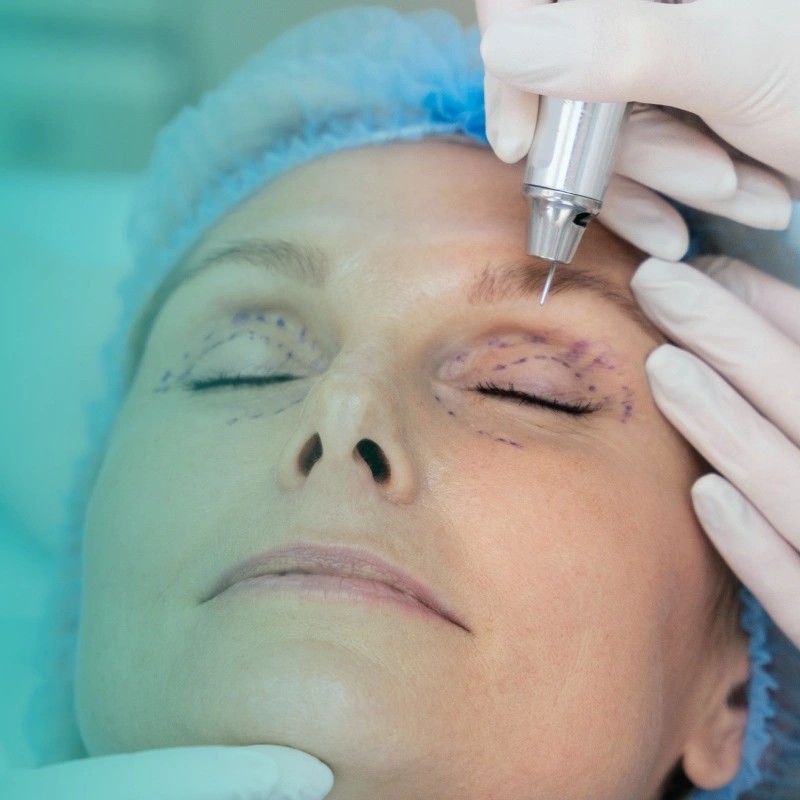
Surgical removal of pterygium is one of the modern pterygium surgeries. It is done outpatient and takes around 30 to 45 minutes. Local anaesthesia is utilized during the procedure. Dr. Ola Alsaed performs conjunctival autografting or amniotic membrane grafting, which includes the steps as follows:
- Removal of the pterygium growth
- Placement of a healthy piece of conjunctiva or amniotic tissue over the affected area to prevent recurrence
- Use of either dissolvable stitches or tissue glue to enable faster recovery while maintaining a cosmetical appearance
Benefits of Modern Pterygium Surgery with Grafting
Pterygium removal expert uses advanced microsurgical techniques to ensure minimal scarring, accurate placement, and optimal visual recovery.
About Pterygium Surgery
Large, recurrent, or large pterygium causing symptoms such as irritation or visual impairment may require surgical removal.
Frequently Asked Questions (FAQs)
Q: Is pterygium cancerous?
A: No, pterygium is a benign (non-cancerous) growth, though it may require removal if it affects vision or causes discomfort.
Q: When is surgery necessary for pterygium?
A: Surgery is recommended when the pterygium grows toward the cornea, causing irritation, vision problems, or cosmetic concerns.
Q: How long does recovery take after pterygium surgery?
A: Most patients experience significant healing within 1–2 weeks, though complete recovery may take up to a month.
Q: Will the pterygium come back after surgery?
A: With modern techniques such as autografting and tissue glue, recurrence rates are very low, especially with proper eye care and sun protection.
Q: Is the surgery painful?
A: The procedure is typically pain-free under local anaesthesia, and any postoperative discomfort can be managed with eye drops and mild pain relievers.